
A rental application often asks a tenant to reconstruct the same history again: previous properties, tenancy dates, rent information and landlord contacts. A Rental Passport gives that information a stable home so the tenant can maintain it over time instead of rebuilding it for every move.
Begin with accurate property and tenancy details. Add previous rental periods, monthly rent where relevant and a previous landlord email if you want Tensu to request confirmation. Keep self-reported information factual and limited to what helps explain the tenancy.
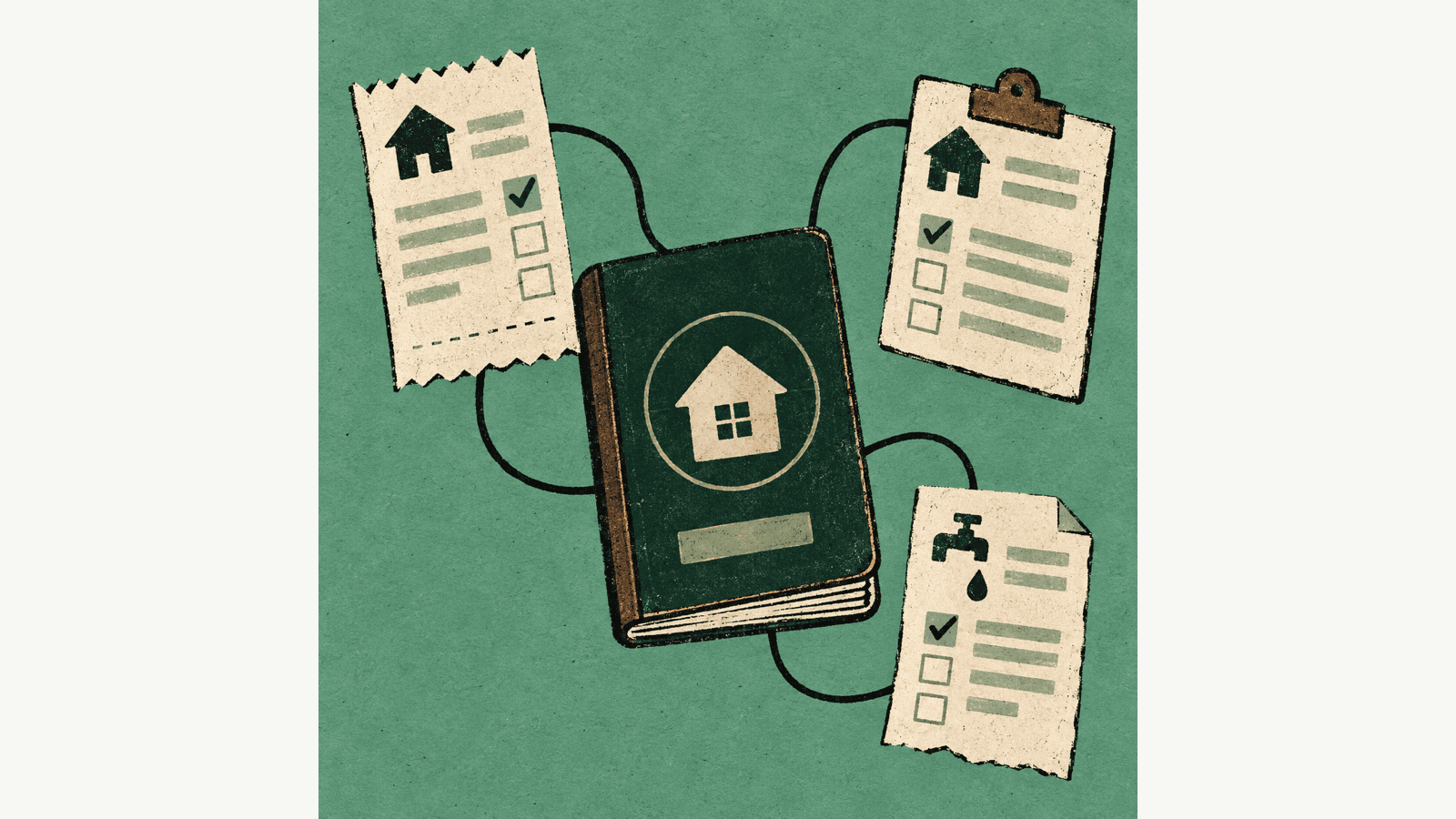
Separate information you entered from records another party confirmed. Both can provide context, but they should not look identical. A recipient should be able to understand where an item came from, what period it covers and whether it has supporting evidence.
Before sharing, review the Passport as the recipient will see it. Remove unnecessary information, confirm that dates and property details are correct, and use an expiring link when available. A private profile should remain under the tenant's control.
A Rental Passport does not guarantee an application outcome and should not replace checks required by local law. Its value is practical: clearer history, fewer disconnected attachments and more control over what gets shared.